What is a Returnable?
A returnable is an item of food or drink packaging that is designed to be returned to a business for multiple re-use, eliminating the need for single-use packaging.
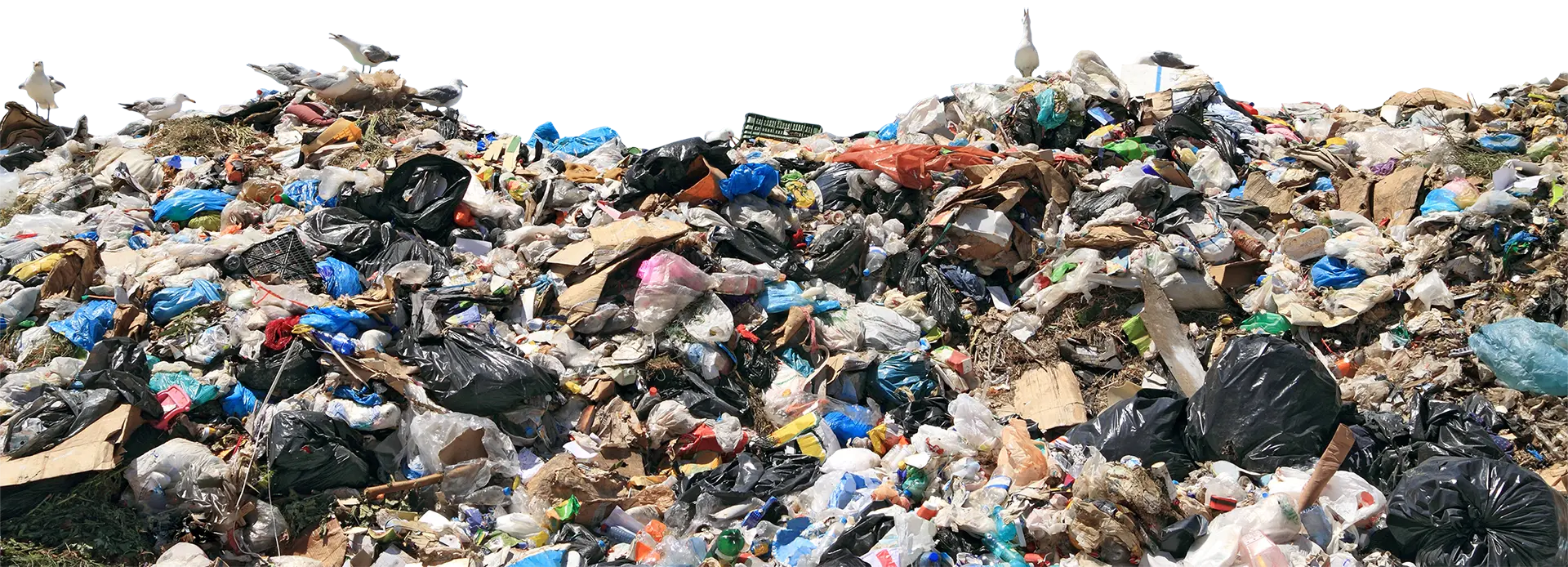
People in the UK get through at least 2.5 billion disposable cups each year. Switching to a returnable cup eliminates billions of cups from landfill.
Single-use coffee cups are soon to be driven out of use, whether through legislation, climate or consumer pressures. This means very soon 95% of the population who are still using single use will need a workable cost-effective, hassle-free solution.
Commercially viable returnable solutions that can deliver significant environmental, cost, and CSR benefits exist and are ready to go.
Returnables Glossary
We believe that the future is returnable. We have a unique opportunity to replace the broken system of single use with something profoundly different, and critically, better.
We know we’re not alone, our partners and many other pioneers are working on creating a returnable future. We believe this is just the beginning. Collectively we know that the solution to many of the environmental problems we face can be found in adopting a returnable, circular system.
This is a step change for society and part of its success will be the adoption of some key language, so that we all have a common vernacular. That’s why we’ve put together this handy glossary of terms. If you have any other questions about Returnables, then just get in touch.
A returnable is an item of food or drink packaging that is designed to be returned to a business for multiple re-use, eliminating the need for single-use packaging. The returnable is often owned by the business.
A reusable is an item designed to be used again and again, usually owned by the individual. For example, a personal coffee cup that you bring with you when buying a drink.
Reusable products help reduce waste, but they rely on people remembering to carry them, something we know doesn’t always happen in everyday life.
A returnable packaging scheme is a system where items like cups or containers are borrowed, returned, cleaned, and reused multiple times.
Customers take the packaging when they make a purchase, then return it to a designated point once they’re finished.
The items are then professionally washed and put back into circulation, creating a continuous loop that replaces single-use packaging.
Reuse means keeping a product in use for as long as possible, rather than using it once and throwing it away.
In a returnable system, reuse happens at scale, with the same product being used by many people over time.
This reduces waste, lowers carbon impact, and makes better use of the materials already in circulation.
Recyclability refers to how easily a material can be collected, processed, and turned into new products after use.
While recycling plays an important role, it still requires energy and infrastructure, making reuse a more effective way to reduce waste.
Durability describes how long a product can last and how many times it can be used.
In returnable systems, high durability is essential, as products are designed to go through many use and wash cycles.
Leakage refers to items that leave a returnable system and are not returned.
Reducing leakage is important to maintain system efficiency and ensure products remain in circulation.
Gamification is the use of incentives, rewards or challenges to encourage certain behaviours.
In returnable systems, this might include points, competitions or rewards to motivate users to return items.
A Digital Deposit Return System uses technology to manage deposits, returns and user interactions digitally.
It removes the need for physical tokens or manual processes, making systems more flexible and easier to scale.
A non-porous or closed environment refers to a controlled system where products are used, collected and cleaned within a defined loop.
This means items stay within a specific location or network, making them easier to track, return and manage.
Examples include: offices, events or attractions where cups are used and returned on the same site.
A porous or open environment allows products to move more freely between locations and users.
Items can be taken away and returned at different locations, offering more flexibility but making tracking and returns more complex.
Examples include: high street cafes, city wide schemes or
A penalty-based system charges users if an item is not returned within a set time.
This approach encourages returns by creating a financial consequence for non-return.
A reward-based system offers incentives for returning items, such as discounts or vouchers.
It encourages positive behaviour by making participation beneficial for the user.
A token-based system uses physical or digital tokens to track usage and returns.
Tokens can be exchanged or redeemed, depending on how the system is set up.
A Material Recovery Facility is a site where recycling waste is separated into each material (like paper, plastic, glass and metal) for end user manufactures.
These facilities increase recycling rates, reduce the amount of waste going to landfill and create a supply of materials for manufacturing.
Return or collection points are designated locations where users can drop off items after use.
They are designed to make returns simple, convenient, and easy to access.
A reverse vending machine is an automated return point where users can deposit items such as cups or containers after use.
The machine identifies the item, accepts the return, and can instantly issue a reward or refund, such as a voucher or digital credit.
RVMs are designed to make returns quick, easy, and consistent, helping improve return rates in returnable and deposit-based systems.
Reverse logistics refers to the process of moving products back through the supply chain after use.
In returnable systems, this includes collecting, transporting, cleaning, and redistributing items.
Why does the world need a Reusable System?
94% of consumers are still not actively engaging with reusables, the direct ownership model has had limited success. Returnable is more ‘to hand’, convenient and in touch with consumer needs. If you don’t bring a cup, we have a reusable one for you.
Yes, there are unmissable market trends, consumer shifts and environmental time pressures driving the transition from single use to reusables but the key driver is legislation.Across the globe governments have already or about to impose legislation seeking to ban or tax single use items including paper cups. Soon it will against the law or simply uneconomical to offer beverages in a single use solution.